Common Countertop Problems in Older Homes and How to Fix Them
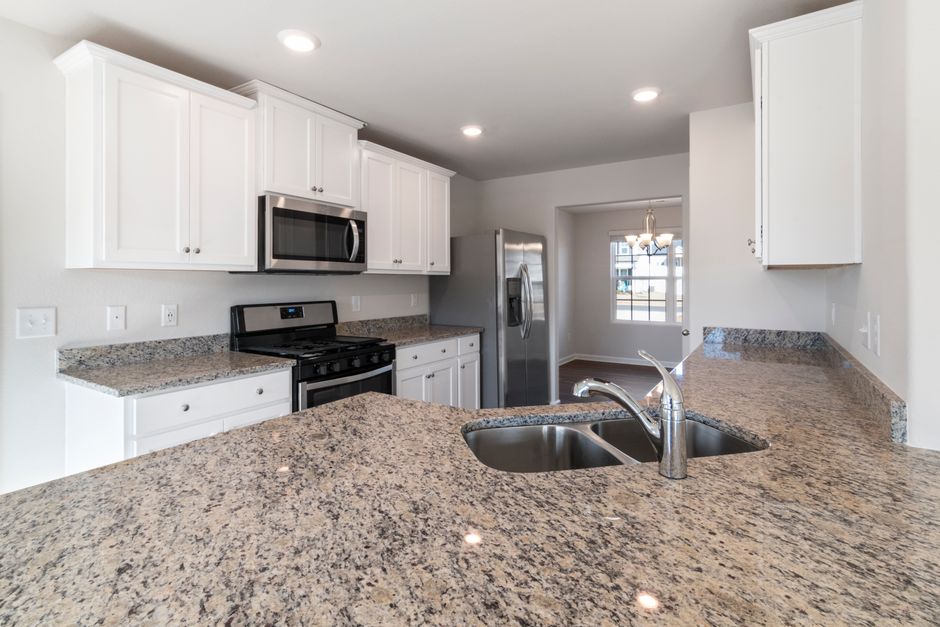
The faint tick of a hairline crack opening beside a sink, a few weeks after install, usually traces back to the floor and the cabinet boxes rather than the stone. The problems logged at countertops greenville backyard barter run from sagging floors to crooked walls, and each one shows up in countertops around Greenville, SC before it shows up anywhere else in the house. Most of them can be measured with a four foot level before a slab is ever cut.
Floors that have settled
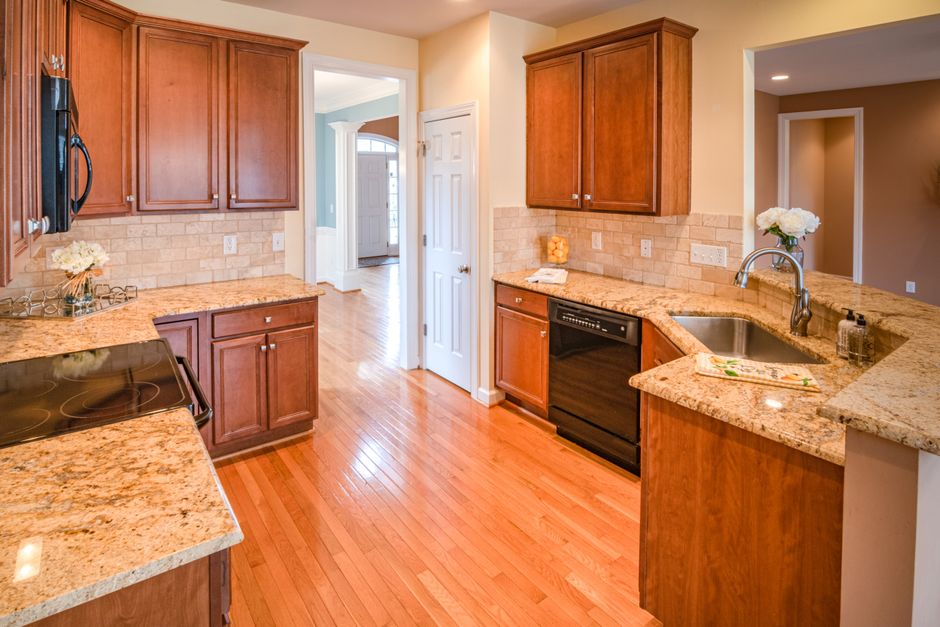
Floors that have sagged or settled over time leave cabinets out of level, and stone set on uneven cabinets can crack under stress. Installers correct this with shims under the cabinet base or under the countertop before setting anything. The level gets checked front to back, side to side and corner to corner. A cabinet run that drops half an inch across ten feet needs correcting first, and the stone is set after.
Stone does not flex
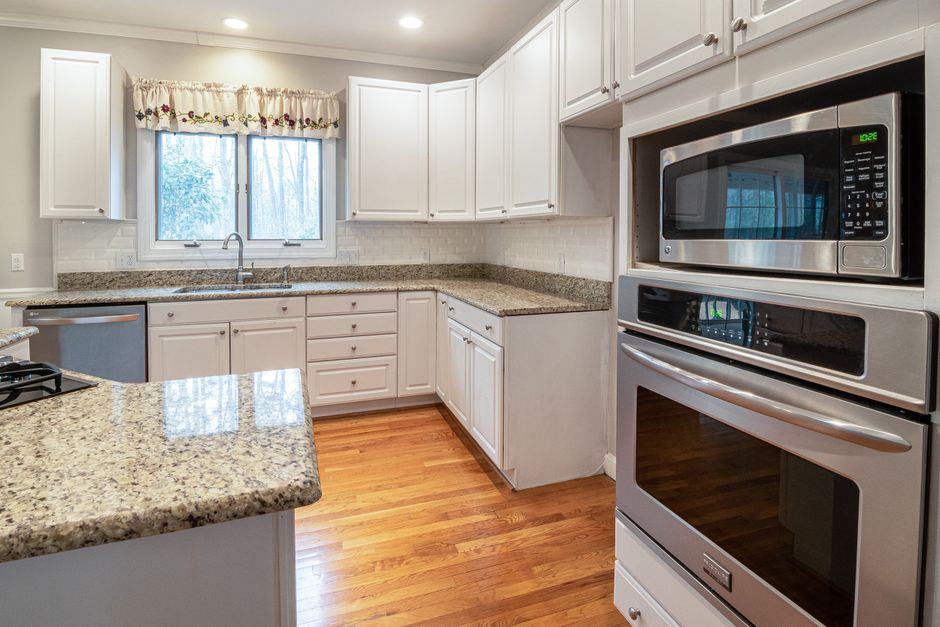
Granite, quartz, quartzite, marble and porcelain all behave the same way here. They do not flex, so a top that bridges a low spot is at risk of cracking when weight is applied. Laminate will sag and hide the problem for years. Stone cannot hide it. Every span needs solid contact on the cabinet frame, and the shims go where the gap is, not where it is convenient.
Walls that are not straight
Walls in older homes are often not straight, which leaves a gap at the back edge. At templating, the wall line is traced so the top can be scribed to the wall, or the gap is closed by a backsplash. A straight-cut slab against a bowed wall leaves a wedge of daylight, and a bead of sealant is a poor answer to a gap that wide. The scribe is cut in the shop from the template, so the measurements have to be right the first time.
Weight and the boxes underneath
Stone tops are much heavier than laminate, so old or damaged cabinet boxes should be checked and reinforced before installation. Look for sagging bottoms, loose face frames and water-swollen particleboard. Dishwashers need thought too. When they cannot be screwed into the underside of stone, they are usually secured to the side of the cabinet with brackets. Plan that before the top goes on, because nobody wants to drill stone in place.
Crawl spaces and sink cutouts
Homes built over crawl spaces can have floor framing affected by moisture. That is worth addressing before investing in heavy countertops, since soft joists let the whole run move. Older houses can still take stone, as long as the framing and boxes are sound. At the sink, hairline cracks often come from stress at the narrow strip of stone in front of the cutout. A wider front strip, careful seam placement away from the cutout and full support under the rim all help. An overhang with no support behind it adds the same kind of stress, so keep it modest. Whatever the edge profile, whether eased edge or bullnose, the support under it matters more than the shape.